Roseville :(916) 630-7633

Deciding to move forward with a dental implant is a big step toward restoring your smile, your bite, and your confidence. But once the procedure is scheduled, most patients have the same question: what does recovery actually look like? At The Tooth by Sunny Badyal in Roseville, we walk every implant patient through what to expect at each stage, so there are no surprises along the way.
Here’s a general guide to the dental implant recovery process and how our Roseville team supports you through it.
Understanding What a Dental Implant Involves
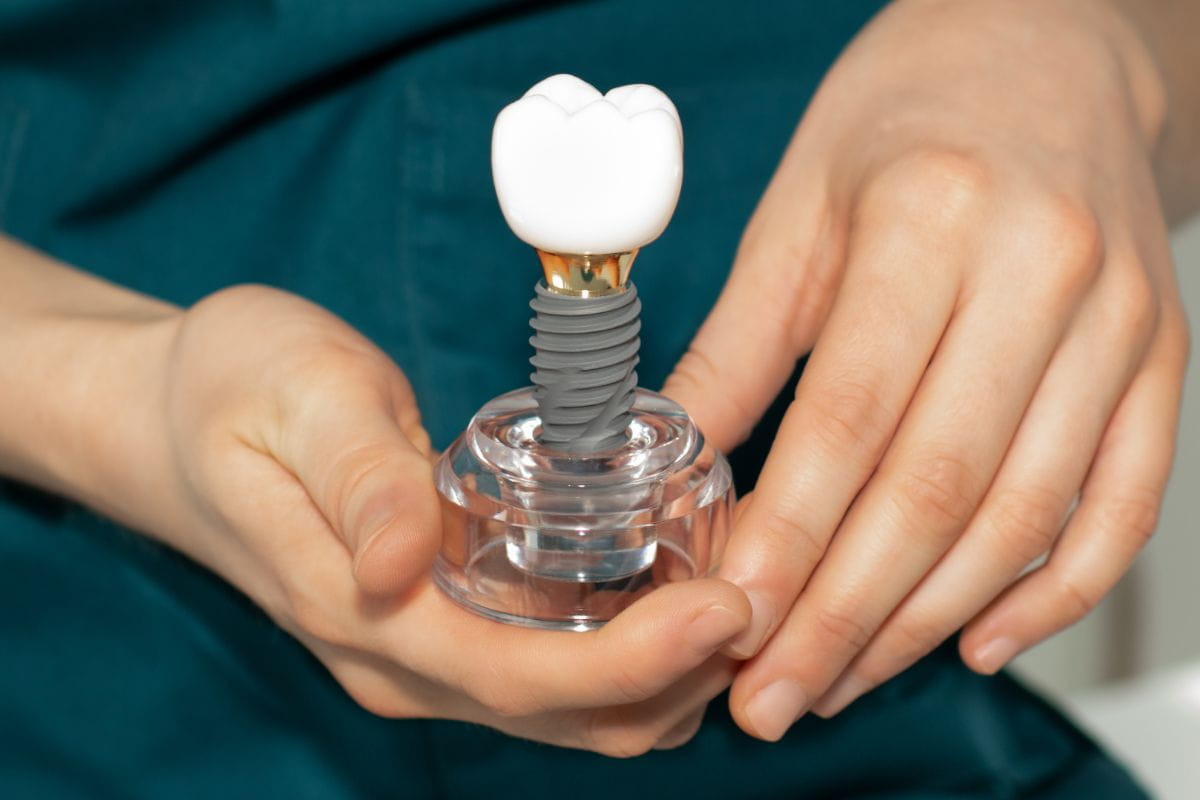
A dental implant replaces a missing tooth by placing a titanium post into the jawbone, which then serves as a stable foundation for a crown, bridge, or denture. Because the implant needs to fuse with the surrounding bone before it can support a permanent restoration, recovery happens in stages rather than all at once.
Depending on your needs, treatment may involve a single tooth implant, an implant-supported bridge, or implant-supported (overdenture) options for patients missing multiple teeth. Some patients also require preparatory procedures such as bone grafting, a sinus lift, or a ridge split before an implant can be placed, particularly if there isn’t enough healthy bone to support it.
Immediately After Placement
In the first few days after your implant is placed, it’s normal to experience some swelling, mild discomfort, and minor bleeding at the surgical site. Sticking to soft foods, avoiding the treated area while chewing, and following any post-care instructions from our team will help keep this initial healing phase as smooth as possible.
This is also the stage where patients who received bone grafting or a sinus lift alongside their implant may need extra time before the healing process can move forward, since the grafted area needs to stabilize first.
The Healing and Osseointegration Phase
The most important part of implant recovery happens beneath the gumline. Over the following weeks and months, the implant post gradually fuses with your jawbone through a process called osseointegration. This is what gives a dental implant its long-term strength and stability compared to other tooth replacement options.
During this phase, it’s important to maintain good oral hygiene around the healing implant and attend any follow-up visits your dentist recommends, so your progress can be monitored and any concerns addressed early.
Placing the Permanent Restoration
Once your implant has fully integrated with the bone, the next step is attaching the permanent restoration — whether that’s a single crown, a bridge, or a denture supported by multiple implants. For patients missing most or all of their teeth, our team also offers overdentures, which snap onto implants for a more secure, stable fit than traditional dentures resting on the gum tissue alone.
This final stage is when patients typically start to feel like their treatment is complete, with a restoration that looks and functions like a natural tooth.
Tips for a Smoother Recovery
- Follow your care instructions closely. Whether it’s dietary restrictions or oral hygiene guidance, these instructions are designed specifically around your procedure.
- Don’t rush the healing process. Osseointegration takes time, and trying to speed up the timeline can put your implant’s long-term success at risk.
- Keep up with follow-up appointments. These visits allow our team to check that healing is progressing as expected before moving to the next stage of treatment.
- Ask questions along the way. Every patient’s healing timeline can look a little different depending on whether grafting, a sinus lift, or a ridge split was part of your treatment plan.
When Additional Procedures Are Needed
Not every implant patient has enough existing bone to support an implant right away. In these cases, our Roseville team may recommend:
- Bone grafting to rebuild bone that has been lost due to missing teeth
- Sinus lift procedures for patients receiving implants in the upper jaw who don’t have adequate bone height
- Ridge split techniques for patients with a narrow jawbone ridge
These additional steps add time to the overall treatment timeline but are an important part of setting your implant up for long-term success.
Frequently Asked Questions
Is dental implant surgery painful?
Most patients experience only mild discomfort that can be managed with the aftercare guidance provided by our team.
How long does the full implant process take?
Because implants require time to fuse with the jawbone before the final restoration is placed, the complete process happens over several stages rather than in a single visit. Your specific timeline will depend on whether additional procedures like bone grafting are needed.
What if I’m missing more than one tooth?
For patients missing multiple teeth, our team offers options including implant-supported bridges and implant-supported overdentures, which provide a more stable and secure fit than traditional removable dentures.
Why Recovery Time Is an Investment, Not a Setback
It’s natural to want the fastest possible path to a new tooth, but dental implants are valued precisely because they’re built to last with proper healing. Unlike removable options that rest on the gum tissue, an implant that’s given the time to properly fuse with the jawbone provides a foundation that supports normal chewing, speaking, and smiling without the shifting or slipping associated with other tooth replacement options. Viewing the recovery timeline as part of the investment — rather than a delay — helps set realistic expectations from day one.
Start Your Dental Implant Journey in Roseville
Recovering from a dental implant doesn’t have to be confusing or stressful when you have a team guiding you through every stage. Our Roseville office, located at 258 Gibson Dr, Suite 110, Roseville, CA 95678, is here to help you understand your options and what recovery will look like for your specific case. Call us at (916) 415-8165 to schedule your dental implant consultation today.