Roseville :(916) 630-7633


If the words “root canal” make you tense up, you’re not alone. It’s one of the most misunderstood procedures in dentistry — and also one of the most effective at saving a tooth that would otherwise need to be pulled. Understanding the root canal procedure step by step can turn that anxiety into confidence, because most patients walk out surprised at how straightforward the appointment actually was. At Tooth by Sunny, our Roseville & yuba city dental team performs root canal therapy regularly for patients throughout the greater Sacramento area, and we’ve found that clear explanations make all the difference in easing nerves before treatment.
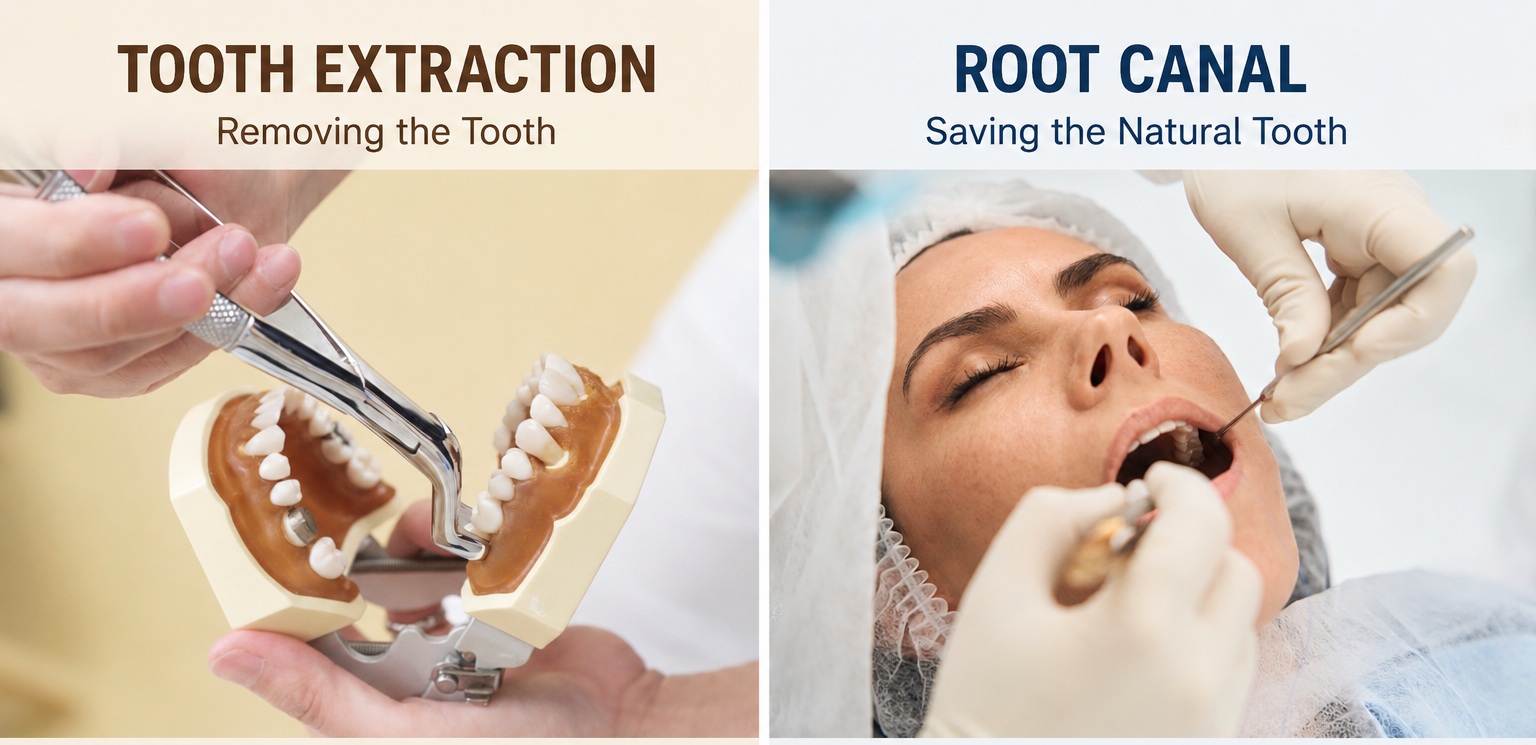
Quick Answer: A root canal removes infected or inflamed pulp tissue from inside a tooth, cleans and disinfects the empty canal, then fills and seals it to prevent reinfection. The tooth is typically finished with a crown for long-term strength. Most root canals take one to two visits and feel similar to getting a routine filling.
Why a Root Canal Becomes Necessary
Every tooth has a soft inner layer called the pulp, made up of nerves, blood vessels, and connective tissue. When bacteria reach this pulp — usually through a deep cavity, a cracked tooth, or repeated dental procedures on the same tooth — inflammation and infection can set in. Left untreated, this can lead to a painful dental abscess, bone loss around the root tip, and eventually loss of the tooth itself.
Common warning signs include lingering sensitivity to hot or cold, throbbing pain when chewing, swelling near the gum line, and a tooth that has darkened in color. Some patients feel no pain at all, which is why routine dental exams matter just as much as symptom tracking.
Step 1: Diagnosis and Digital Imaging
Every root canal starts with a thorough evaluation. Our dentists review your symptoms, test the tooth’s response to temperature and pressure, and take digital X-rays to assess the extent of infection and the shape of the root canal system. This imaging step is essential — it tells us how many canals the tooth has, whether the infection has spread to the surrounding bone, and whether a root canal is even the right treatment compared to extraction.
Step 2: Numbing the Area
Before any work begins, the tooth and surrounding gum tissue are thoroughly numbed with local anesthesia. Contrary to popular belief, root canal therapy is designed to relieve pain, not cause it — the discomfort people associate with root canals almost always comes from the untreated infection itself, not the treatment.
Step 3: Isolating the Tooth
A thin sheet of rubber, called a dental dam, is placed around the tooth to keep it dry and free of saliva during the procedure. This also helps maintain a sterile field, which is a key part of preventing reinfection later on.
Step 4: Accessing the Pulp Chamber
Using a small dental drill, the dentist creates a tiny opening in the top of the tooth to reach the pulp chamber and root canals underneath. This access point allows precise instruments to reach every canal, including the narrow, curved ones that are common in molars.
Step 5: Removing Infected Pulp Tissue
Specialized fine instruments are used to carefully remove the diseased or dead pulp tissue from inside the tooth. Each canal is measured for length using either manual files or a digital apex locator, ensuring the entire canal system is treated rather than just the visible portion.
Step 6: Cleaning and Disinfecting the Canals
Once the pulp is removed, the canals are irrigated with an antimicrobial solution to flush out bacteria and debris. This step is repeated as needed, and the canals are gently reshaped so they can be filled evenly and completely. Thorough disinfection is one of the biggest predictors of long-term success, which is why we take extra time here rather than rushing through it.
Step 7: Filling and Sealing the Canal
After cleaning, the canals are filled with a biocompatible material called gutta-percha, along with a dental sealer that locks out bacteria and moisture. The access opening at the top of the tooth is then sealed with a temporary or permanent filling material.
Step 8: Restoring the Tooth with a Crown
Because a root canal-treated tooth can become more brittle over time, most cases — especially molars — benefit from a custom dental crown for lasting protection and full chewing function. This restoration is typically placed during a follow-up visit once the tooth has settled, and it’s a key part of what makes the tooth structurally sound again for years to come.
What Recovery Feels Like
Mild soreness or tenderness for a few days is normal and usually manageable with over-the-counter pain relievers. Most patients return to normal eating and daily routines within a day or two. For a full breakdown of do’s and don’ts after treatment, our guide on precautions after undergoing a root canal covers everything from food choices to oral hygiene during healing.
Root Canals Have a High Success Rate
Research consistently shows that root canal-treated teeth have a success rate above 95%, making it one of the most predictable procedures in modern dentistry when performed correctly and followed by appropriate restoration. That success rate depends heavily on catching the infection early and completing the recommended crown or filling afterward — skipping that final restorative step is one of the most common reasons a treated tooth runs into problems down the road.
Choosing a Dentist for Root Canal Therapy
Patients near Roseville, yuba city, Rocklin, Granite Bay, and Lincoln trust Tooth by Sunny for gentle, precise endodontic care because our team combines modern technology with a calm, patient-first approach. We know that anxiety around root canals often stems from outdated stories rather than the modern procedure itself, and we take the time to walk every patient through what to expect before treatment begins.
FAQ
Does a root canal hurt? No — modern root canal therapy is performed under local anesthesia and is designed to relieve the pain caused by an infected tooth, not create new pain. Most patients report the experience feels similar to getting a filling.
How long does a root canal procedure take? Most root canals are completed in one to two appointments, each lasting roughly 60 to 90 minutes depending on the tooth’s location and the complexity of its root canal system.
Can I go straight back to work after a root canal? Many patients return to work or normal activities the same day, especially once numbness wears off. Some choose to rest for the remainder of the day if sedation was used.
Do I need a crown after a root canal? In most cases, yes — particularly for molars that handle heavy chewing forces. A crown protects the treated tooth from cracking and helps it function normally for years afterward.
What happens if a root canal is left untreated? Without treatment, an infected tooth can develop a painful abscess, spread infection to surrounding bone, and eventually require extraction rather than a conservative, tooth-saving procedure.
Is a root canal better than pulling the tooth? Saving your natural tooth through root canal therapy is generally preferable to extraction, since it preserves your natural bite, prevents shifting of neighboring teeth, and avoids the need for a bridge or implant.